Creativity can be taught. It’s not something that only the gods have bestowed on a handful of artists, writers, composers, or rock n’ roll CEOs–it’s in everyone, and can be harnessed and learned and actualized in many different contexts. Much of my work over the past decade has been teaching people how to become more creative–that is, how to bring out of themselves what they have already been created with.
And because creativity is already in you, it doesn’t take a whole lot to get started.
Here are a few things to get your creativity fuelled up. They’re simple, and perhaps even ridiculous–that’s precisely the point. People these days take themselves way too seriously–just step into most offices these days, and the stale air alone, like anti-bacterial gel, will kill any ounce of creative spirit.
1. Be playful: Life is play, and work ought to be play. Creativity is all about play. Sound childish? It is! In fact, the reason why you’re so plugged up creatively–if you are–is because you were told from grade school on that play is juvenile and that only serious people find success in life. So this first step is to start playing. That’s right, play! A serious jest as the great Goethe called it. You need to think about playing more and not being so serious all the time. Yes, you need to make serious and sober decisions, but you can play to get to that point. What do I mean by play? Find ways to make your work fun. You know, hard work for creatives is often playful work. That’s because creatives–those hired to perform tasks considered ‘creative’, namely designing stuff or writing jingles or designing buildings or apps, etc.–usually incorporate playful activities that most people wouldn’t consider work. What do you find fun? Incorporate that into your work. If playing video games at work gets your juices going, then do it. If reading Wired Magazine and MIT Tech Review give you more ideas, then clip or print out articles and stick them all over your office wall as a collage–and not just a small one, but a big one. Get some legos, bricolage, and other toys in your work space and encourage your team and colleagues to play with them.
But as any chess player will tell you, play isn’t all goofing around and doing what’s thrilling. There’s a seriousness to play. There are moments of intensity, of searching, of solving, of getting stuck unstuck and re-stuck again. There are moments of pain and frustration–and that’s all in the form of a simple game of chess! Think of your life in this manner: not as something to default to, but as something to play through. Creativity is play.
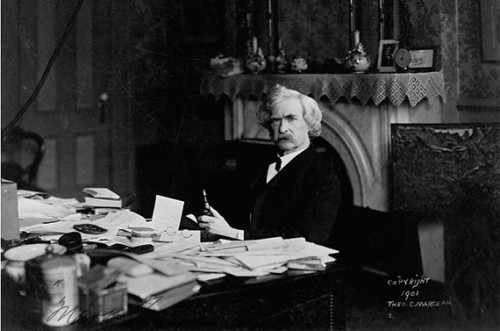
2. Don’t clean your desk: Are you a neat-freak by nature or nurture? If by nurture, lurking under that stapled down attire and polished office space is a clutter-bug who thinks better in the midst of a mess than in neatness. Take a week, and don’t clean your desk–let all kinds of stuff pile all over it, including the Chinese food take-out boxes and chopsticks. You see, ideas need to congeal with other ideas–that requires diversity. What better way to get your ideas flowing than to create divergence on your very desk! Lifehacker has a wonderful article about this, showing how Steve Jobs, Albert Einstein, and other big thinkers worked on messy desks.
And this strikes at the heart of another myth stretched over from your childhood–“Clean that desk!” What if you were told that a messy desk was a good thing? What if you were told that great creatives kept messy desks? What if you saw photos of great creatives desks when you were a child? You’d be keeping a messy desk today, and probably not feeling so cluttered and buttoned down and clamped. If it works for Steve Jobs, why won’t it work for you?
3. Take a Nap–in the middle of a work day: Yup–you’ll probably fear being fired for even thinking about doing this, but it’s one of the most important things you can do in your day for your brain. You need 10-15 minutes–no less, no more. You can do it in your office space–if you have covers for your windows and a lock on your door, or in your car. You can do it on your lunch break or any other assigned break. I’ve written about the wonders of this before, including the names of great thinkers and inventors who swore by it. Thomas Edison took a daily nap. Winston Churchill couldn’t get through his day without taking a nap. There is a ton of research coming out that advocates for naps in the middle of the day, not just to rest but to stimulate brain activity–it actually helps you solve problems. But this is the problem with the modern work environment: it’s more about the appearance of ‘serious’ work than real work itself. Real creative work is messy, intense, and playful–and it even requires taking a nap. I talked to one senior executive who rides Harleys on the weekends, and he told me he’d like to grow out his beard but can’t–it would break office etiquette. Can you imagine? What if growing a big beard somehow made you feel more authentic and gave you greater ideas? Same with naps. People don’t want to take a nap because of how it would appear, not for the value in overall brilliance and productivity it would induce. Think about it…
4. Fail: You know when you’re playing a challenging video game or some other game, and you do better when you just don’t care how well or poorly you’re playing? You tend to take more risks, which at times–but not all the time–lead to openings in the game and new insights. This is the same with creating new ideas. When you think of your work as play, then you don’t worry so much about failing, which enhances your performance. Don’t fear failure.
But this is another problem with the modern workplace: that people don’t feel the freedom to fail. In spite of all the research that shows how reduction in fear of failure leads to greater results, workplaces continue to create cultures of fear. Managers need to give employees plenty of room to fail; to try new ideas out and completely fail them–not on purpose of course, but because they’re pushing every boundary to create something innovative. If you can risk without the fear of failure, you will begin to live a much more creative life.
5. Stay up late: Sometimes you have to shake up the social order of your life. You know when you’re on that business trip or weekend get-away, and you suddenly feel more creative and alive? You feel like you’ve got more ideas and insights? Look at your schedule: chances are you’re staying up later, most likely at a watering hole or restaurant somewhere, and you’re eating at different times of day, and working longer hours. Staying up late can be a great way to get your brain into a different pattern. In fact, when you’re tired, your using different areas of your brain to cognize and interpret your experiences, which is often why you sometimes get clearer insights or better ideas. And I’m not talking about lying on the couch in front of the television, but working on something new or interesting or extra. Too many people veg out in front of the TV till late at night, which actually fries out your creativity, not stimulate it.Try staying up late at least once per week working on real ideas, or reading books you never would have before–books on creativity and innovation–and reap the creative benefits.
We are all creative. The problem is we live in a society that imposes structures and rules and conventions that conflict with, and even thwart, ways of living and being that enhance creativity. And yet, our bosses, jobs, and industries are demanding more and more creativity. To perform in this conflict requires that you change some of your habits and long-held practices–to shake up your life. It may seem scary at first, but you’ll see the results.

 Kultur Design Blog