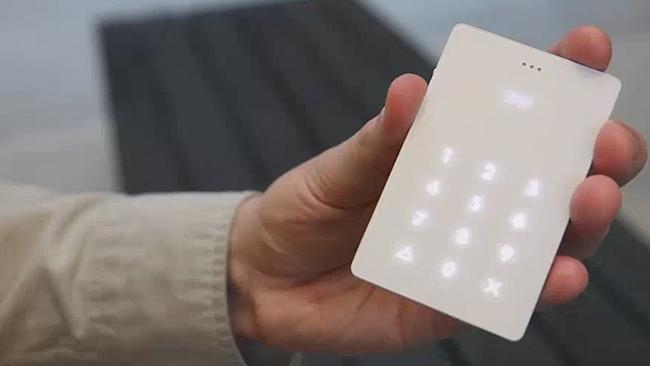
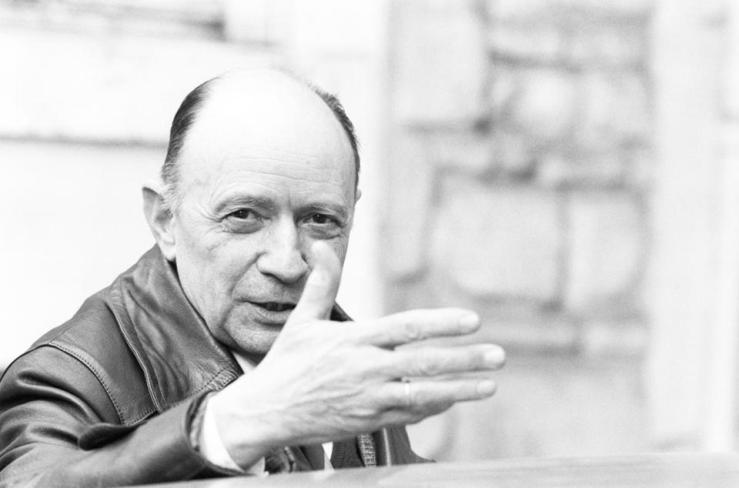
I remember when I first read Jacques Ellul’s The Technological Society–I was deeply disturbed by his conclusion that the world of technology (technique, as he called it) would run amok, that humanity could never return to pre-technological civilization, that technology would simply run its course and overtake humanity. Quite a predicament by a philosopher who wrote the book in the 1960s!
I haven’t thought about that book for a number of years, but it came to me today when I read an article in MIT Tech Review about the Light Phone: a simple phone that tells time and makes and receives phone calls–simple as that. To me, this is a wonderfully simple solution, but the writer of the review certainly didn’t think so.
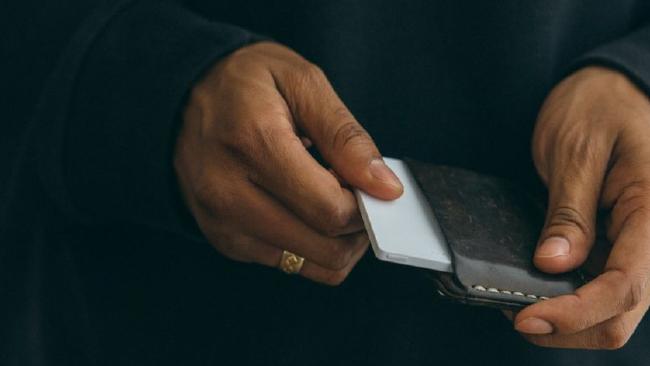
The website describes the Light Phone as
a simple, second phone that uses your existing phone number. Leave your smartphone behind and enjoy peace of mind.
As a solution, the Light Phone reminds me of something I heard recently about the Apple iWatch. The iWatch is the antithesis of the Light Phone–to get data to your iWatch requires that you carry around your iPhone. To me this is too complex and gadgety. In our modern urbanized world, you shouldn’t have to take with you more devices than necessary. To wear something on your wrist that requires something else worn in your pocket to me is more of a capitalist ploy than a user-friendly solution.
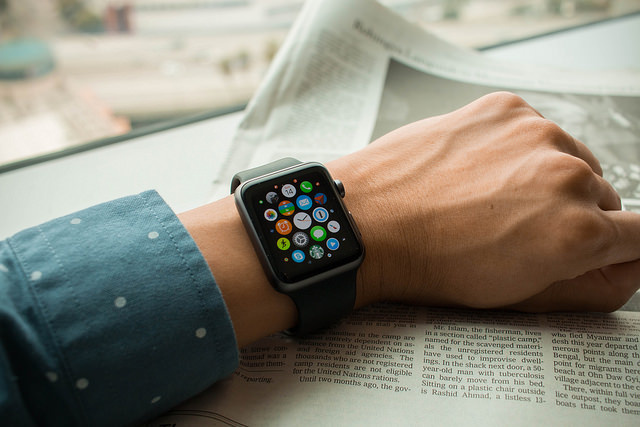
Well, a couple of colleagues of mine have iWatches–and they love them. They are always the ones at lunches and dinners providing fee demos about the phone’s various functions, which I must add are quite convincing. If I had a thousand bucks burning a hole in my pocket I probably would have bought one already. But the more I hear about the iWatch, the more I am learning about it as a kind of hand-cuff rather than wearable solution. I know one person who came very close to purchasing one but too was held back by the price tag. One day he met up with a colleague who had one that broke.
“Did you enjoy having it?” he asked.
“Oh absolutely–I loved it!”
“So are you going to buy another one then?”
“No.”
“Why not? I thought you just said it was the best thing you had?”
“It was–until I didn’t have it around my wrist. When I had the watch on, I loved the functionality, I couldn’t get enough of it . . .”
“So then what happened?”
“When I could no longer wear it, I felt free! Free from that stupid thing! For whenever I wore the watch, I was looking at my wrist every 3 seconds, all day long! ‘Bling!’ check my wrist. ‘Bling!’ check my wrist. I’m telling you–I feel liberated without that stupid watch!”
But do people feel free when they lose or break their technology? Could you disconnect from your smartphone and/or watch for a day and feel cool about it? Is the Light Phone a fantasy, a utopia, or a serious solution for the 21st Century?
The individual is in a dilemma: either he decides to safeguard his freedom of choice, chooses to use traditional, personal, moral, or empirical means, thereby entering into competition with a power against which there is no efficacious defense and before which he must suffer defeat; or he decides to accept technical necessity, in which case he will himself be the victor, but only by submitting irreparably to technical slavery. In effect he has no freedom of choice.
― Jacques Ellul, The Technological Society
This leaves us pondering Jacques Ellul. Technology keeps running amok, and there’s nothing we can do about it. Even when given a choice to have or not have it, we can’t live without it.
To me, the Light Phone is a fantasy, a product fetish. It points backward to a time when human life was perhaps simple. It is a fantasy of regress, rather than a solution of progress.
Would I choose a Light Phone? Maybe in another time and place. I like simplicity. I like to think of myself as a simple guy. But I live in a world that demands my time, demands that I am immediately updated and responsive to the information coming at me 24/7. I would like to choose a different life, but that would require that I change what I do. It would require that I enter a simpler life. Perhaps the Light Phone is a symbol of that simpler life, of that utopia (and by the way, ‘utopia’ means ‘no place).
So while I judged the MIT Review columnist for her disdain for the Light Phone, I had three fingers pointing back at me.

 Kultur Design Blog